
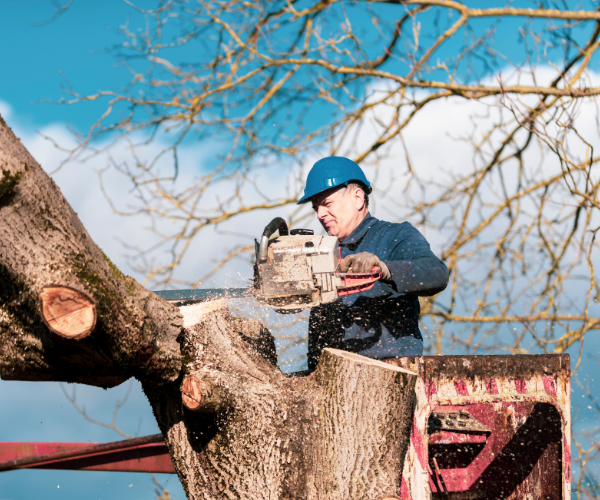
A heavy branch over the driveway may not seem like a big deal until the next storm moves through. In Waukesha, trees deal with snow, ice, wind, heavy rain, and fast weather changes throughout the year. That stress can make weak limbs crack, split, or fall when you least expect them to.
Seasonal tree trimming helps homeowners stay ahead of branch breakage before it turns into a bigger problem. When trimming is done at the right time, it can reduce weak limbs, open crowded areas, and help the tree handle rough weather with less risk.
Quick Answer: How Does Seasonal Tree Trimming Help Prevent Branch Breakage?
Seasonal tree trimming helps prevent branch breakage by removing dead, damaged, crowded, or poorly placed limbs before storms, snow, and ice put extra weight on them. It is often most helpful before winter, after storm damage, or when branches are growing too close to the house, garage, driveway, or power lines. For Waukesha homeowners, the right trimming schedule depends on the tree type, branch condition, and seasonal risk.
Why Do Branches Break More Often During Wisconsin Weather?
Branch breakage often happens when a tree has weak limbs that cannot handle added stress. In Southeast Wisconsin, that stress can come from wet spring snow, summer storms, high winds, or ice buildup in winter.
A branch is more likely to break when it is dead, cracked, too heavy at the end, or attached at a weak angle. Crowded branches can also rub against each other, which can damage bark and weaken the limb over time.
Busy homeowners may not notice these issues right away. A tree can look full and healthy from the street while still having hidden deadwood or weak limbs higher in the canopy. Seasonal trimming gives the tree a closer look before those branches fall on a roof, fence, vehicle, or walkway.
Common signs that branches may be at higher risk include:
- Dead limbs with no leaves during the growing season
- Cracked or hanging branches
- Limbs touching the roof, siding, or gutters
- Branches growing over a driveway or patio
- Heavy limbs that sag after rain or snow
- Rubbing branches that scrape against each other
When those signs show up, trimming is not just about appearance. It is about reducing the chance of damage before the next round of rough weather.
When Is Seasonal Tree Trimming Most Helpful?
Seasonal trimming is most helpful when it lines up with the tree’s condition and the weather risks ahead. There is no single schedule that fits every yard, but certain times of year tend to matter more for Waukesha homeowners.
Late winter can be a good time for many trimming jobs because trees are often dormant, and branch structure is easier to see. This is also a smart time to address weak limbs before spring storms arrive.
Spring and summer trimming may be needed when storm damage, broken limbs, or branches near the home create a clear concern. This work is often more selective. It may focus on removing damaged limbs, clearing branches from structures, or reducing hazards that should not wait.
Fall trimming can help prepare trees before snow and ice return. If a tree has low-hanging, dead, or heavy branches, fall can be a practical time to clean up those concerns before winter weight becomes an issue.
Oak trees need extra timing care in Wisconsin. For oak trees, timing matters even more because the Wisconsin DNR recommends avoiding pruning or cutting oaks from April through July when oak wilt risk is higher.
Seasonal Tree Trimming vs Emergency Branch Removal
Seasonal trimming and emergency branch removal solve different problems.
Seasonal tree trimming is planned work. It is used to reduce risk before branches break. The goal is to remove weak, dead, crowded, or poorly placed limbs while the tree is still standing and the property is not under immediate threat.
Emergency branch removal happens after a limb has already cracked, fallen, or become dangerous. This may be needed after a storm, after ice buildup, or when a branch is hanging over a home, driveway, or power line.
Planned trimming is usually the better option when there is time to act. It gives homeowners more control over scheduling and helps avoid the stress of sudden damage. Emergency work is still important when a branch creates an immediate risk, but it is not the same as routine tree care.
If a limb is already split, hanging, or pressing on a structure, it should be looked at quickly. If the tree only has minor crowding or low branches, seasonal trimming may be enough to manage the issue before it grows worse.
When This Matters for Waukesha Homeowners
Seasonal tree trimming matters most when branches could damage something important. This includes homes, garages, sheds, fences, driveways, sidewalks, play areas, and parked vehicles.
It is also worth considering if you have mature trees that have not been trimmed in several years. Older trees can develop deadwood, heavy limbs, and crowded growth over time. Regular trimming helps keep those issues from building up unnoticed.
This service may be helpful if:
- A large tree hangs over your roof or driveway.
- Branches scrape the house during windy weather.
- You see dead or broken limbs after winter.
- A tree drops branches after storms.
- You have oaks, maples, elms, or other large trees near your home.
- You want to prepare trees before winter snow and ice.
- You have not had tree maintenance in a few years.
It may not be needed right away if your trees are young, clear of structures, and showing no signs of dead, broken, or crowded limbs. Even then, a quick inspection can help you decide if trimming should be planned now or later.
Who Benefits Most From Seasonal Tree Trimming?
Seasonal trimming is a good fit for busy homeowners who want tree issues handled before they interrupt daily life. It is especially useful for people who do not have the time, equipment, or comfort level to deal with large limbs on their own.
Homeowners with mature trees often benefit the most. Large branches can be heavy, hard to reach, and difficult to judge from the ground. A limb that looks manageable may be under tension or connected in a way that makes cutting risky.
This service also helps homeowners who are preparing for seasonal changes. Before winter, trimming can reduce weak limbs that may collect snow and ice. After winter, trimming can remove branches damaged by cold, wind, or heavy snow. Before storm season, trimming can reduce the amount of deadwood in the tree.
Professional tree trimming is commonly used around homes, driveways, yards, commercial properties, condo associations, and municipal spaces because it helps manage tree growth while reducing property risks. For homeowners, the value is simple. The work gets handled efficiently, the debris is cleaned up, and the tree gets the right kind of attention.
Plan Seasonal Tree Trimming Before Branches Become a Problem
Branch breakage is easier to deal with before a limb is on the ground. With the right timing, seasonal tree trimming can reduce weak branches, clear problem areas, and help your trees better handle Waukesha weather.
Darryl’s Tree Service helps homeowners keep tree care simple, efficient, and properly handled. If you have dead limbs, low-hanging branches, storm damage, or trees that have not been trimmed in a few years, contact us for a free estimate.