
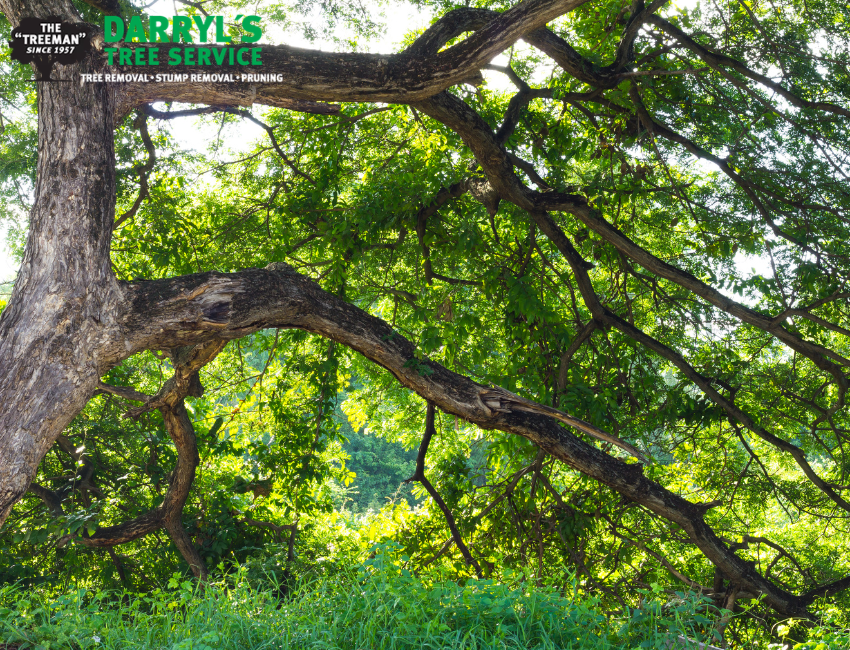
You probably noticed it before the call even crossed your mind. A large branch hanging over the driveway. A tree leaning a little closer to the house than it used to. Maybe a storm rolled through the Waukesha area, and now a once-healthy tree looks unstable or damaged. When trees get larger, problems tend to get bigger too, and what looks simple from the ground often turns into a much more involved job.
That is why large tree removal is rarely as simple as cutting a tree down and hauling it away. Tree size, location, surrounding structures, and weather damage all play a role in how the work gets done and what makes the job more complicated.
What Makes Large Tree Removal More Complex?
Large tree removal becomes more complex when a tree is oversized, damaged, close to structures, surrounded by limited space, or affected by power lines and difficult access. In many cases, larger trees need to be removed in sections to reduce risk and protect nearby homes, landscaping, and property. For homeowners, this often means planning, equipment, and safety matter much more than they would with a smaller tree.
Why Does Tree Size Change the Removal Process?
A small tree in an open yard is usually straightforward. A mature oak or maple standing over a garage is a different story.
Larger trees carry more weight, have thicker trunks, heavier limbs, and more reach. That added size affects how branches are cut, where materials fall, and how safely the tree can come down without damaging nearby property.
In many neighborhoods around the Waukesha area, homes sit closer together than people realize. Mature trees planted decades ago may now stretch over rooftops, fences, sheds, driveways, or neighboring yards. Instead of removing a tree all at once, sections often need to come down piece by piece to keep the process controlled.
The bigger the tree, the less room there is for mistakes.
When Limited Space Makes Large Tree Removal Harder
One of the biggest reasons homeowners call us for large tree removal is simple: there is nowhere safe for the tree to fall.
Backyards with fences, gardens, patios, garages, swing sets, and landscaping features often leave little room to work. Even front-yard removals can be tricky when trees sit close to sidewalks, parked vehicles, or streets.
In these situations, efficiency matters, but so does patience. Large sections may need to be carefully lowered rather than dropped, and the removal process may require strategic cutting to avoid unnecessary damage to surrounding property.
For busy homeowners, this is often where the job becomes stressful. Nobody wants guesswork when a heavy limb is hanging over a roof or near a vehicle.
What Happens When Storm Damage or Decay Is Involved?
Trees weakened by storms, disease, or decay can become unpredictable.
A healthy tree behaves differently from one with hidden rot or cracked limbs. Branches may break unexpectedly, trunks may split unevenly, and storm-damaged trees often shift in ways that are hard to spot from the ground.
This becomes especially common after heavy winds or strong summer storms in the Waukesha area. A tree may still be standing, but that does not always mean it is stable.
Sometimes homeowners delay removal because the tree still looks “good enough.” The challenge is that damage inside the trunk or canopy is not always obvious until the problem worsens.
Signs that often make removal services more urgent include:
- Large hanging limbs
- Sudden leaning
- Cracks in the trunk
- Hollow or soft areas in wood
- Dead sections throughout the canopy
- Large limbs sitting over homes or driveways
When Power Lines or Nearby Structures Change the Plan
Large trees near houses, garages, utility lines, or neighboring property require a much more careful process.
Even healthy trees can create problems when branches extend over roofs or electrical service lines. The goal is not simply getting the tree down. It is removing it without creating a new problem during the process.
In many cases, removal has to happen in controlled sections rather than larger cuts. Equipment access, branch positioning, and surrounding obstacles all shape the plan.
For homeowners, this is often the point where a project shifts from inconvenient to urgent. A tree that feels manageable one windy season can quickly become a safety concern.
When This Matters for Homeowners
You may want to consider removing a large tree if it feels too close to your home, shows signs of damage, blocks major areas of the yard, or becomes difficult to maintain.
This matters most after storms, during heavy growth seasons, or when large limbs start hanging over places your family uses every day. Waiting too long can sometimes turn a manageable project into a more complicated situation.
That said, not every large tree needs to come down. Healthy trees in good condition may simply need trimming or monitoring. The key is understanding when size, condition, and location start creating risk.
Who Usually Benefits Most From Large Tree Removal?
Busy homeowners often benefit the most from removing oversized or damaged trees, especially when safety or maintenance becomes difficult to manage.
This includes homeowners with mature trees near roofs, families concerned about children or pets playing beneath damaged limbs, and people dealing with storm-damaged trees after rough weather. It can also help homeowners preparing for landscaping projects, home improvements, or selling a property where overgrown trees create concerns.
In residential neighborhoods, large-tree removal is commonly used to reduce risk, improve access to sunlight, protect structures, and prevent property damage before it occurs.
A Safer Way to Handle Large Tree Problems Before They Grow
When trees get bigger, the challenges often do too. Size, storm damage, limited access, nearby structures, and aging trees can all turn a simple project into something more involved. That is why large tree removal often takes more planning than homeowners expect, especially in the Waukesha area, where mature trees and changing weather conditions are common.
If a tree on your property has started raising questions, now is a good time to get clarity. Our team at Darryl’s Tree Service helps homeowners handle tree concerns efficiently so problems do not become larger, more stressful situations later.