
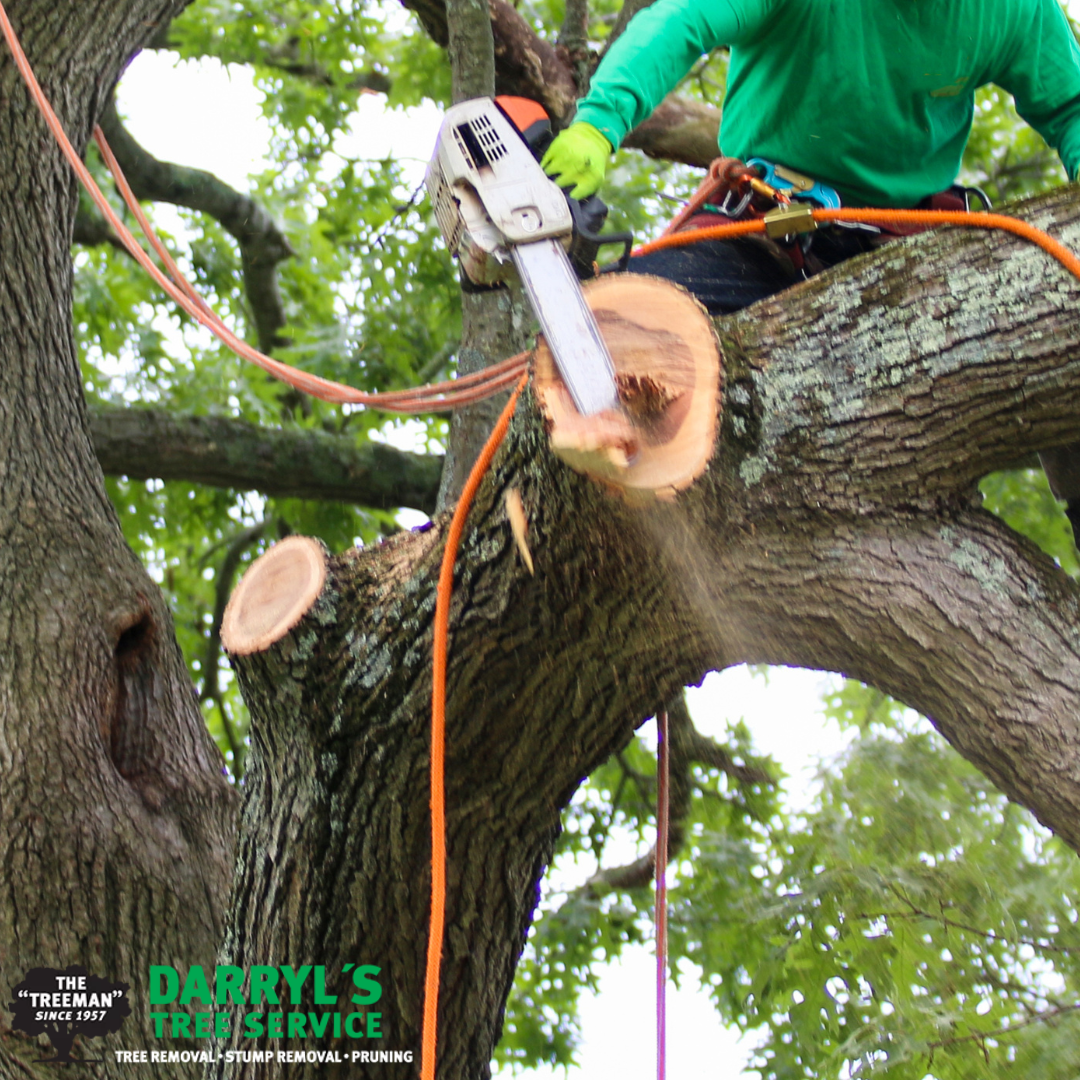
Busy homeowners across the Waukesha area often ask when the best time is to schedule tree care. Timing affects safety, long-term tree health, and how well your property handles seasonal weather. When you look at tree trimming in fall, the goals and benefits are different from trimming in spring, and understanding these differences helps you make the right decision for your yard.
Why Timing Makes a Difference for Seasonal Tree Trimming
Trees respond to changing temperatures, shifts in moisture, and growth stages throughout the year. Fall and spring come with distinct conditions that influence how a tree heals after trimming and how much pruning is recommended. Homeowners who keep up with seasonal tree care usually experience fewer storm-related problems and more predictable growth patterns.
In Wisconsin, where heavy winds, freezing rain, and spring storms are common, trimming at the right time can prevent costly damage. Each season offers specific advantages depending on your property’s needs.
Tree Trimming in Fall: What Sets It Apart?
Fall is one of the most effective times for trimming because tree growth slows as they enter dormancy. This makes it easier for cuts to close with less strain on the tree. It’s also a practical time to remove dead, weakened, or heavy branches before winter storms increase the risk of breakage.
As leaves fall, the tree’s structure is easier to evaluate. This makes it simpler to identify crowded areas, rubbing branches, or limbs leaning toward structures. Handling these issues before snow and ice arrive reduces the chance of property damage and supports long-term tree stability.
How Spring Trimming Supports Fresh, Healthy Growth
Spring trimming plays a different role. As trees emerge from winter dormancy, they begin producing new buds and shoots. Light trimming during this period guides healthy growth and shapes the tree for the season ahead.
The focus during spring is usually on removing winter damage, improving sunlight access, and supporting better airflow through the canopy. These adjustments encourage fuller leaves and reduce the risk of moisture-related problems. Spring trimming is also useful for younger trees that need shaping early in their development.
Because trees are actively growing in spring, heavy trimming isn’t always ideal. Major structural cuts can interfere with early-season growth, so larger projects are usually better handled in the fall unless there is an immediate safety concern.
Which Season Is Better for Safety and Tree Health?
The right season depends on your property’s needs. Fall trimming is often the best choice when safety is the priority because it removes hazardous limbs before winter weather. It’s also the stronger option for major structural work.
Spring is the better choice for encouraging fresh growth, improving appearance, and addressing minor winter-related issues. Many Waukesha area homeowners use both seasons for different reasons, creating a balanced approach to long-term tree health.
When Should Homeowners Call for Seasonal Tree Service?
You should reach out for trimming when you notice dead branches, heavy overgrowth, leaning limbs, or branches too close to your home or driveway. Storm damage, property changes, or signs of stress around the trunk or canopy are also clear indicators that it’s time for seasonal care. While timing matters, safety should always be the deciding factor.
Darryl’s Tree Service handles fall and spring trimming with efficient scheduling and reliable service so busy homeowners can stay ahead of seasonal concerns without losing time managing tree issues on their own.
Schedule Your Tree Trimming in Fall for Reliable Waukesha Area Care
Choosing the right season helps keep your trees safer and healthier throughout the year. If you’re planning tree trimming in the fall for your Waukesha area property, contact Darryl’s Tree Service to get a quote and schedule seasonal trimming that works for your routine.